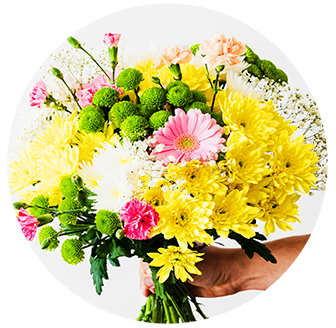
The Joyful Journey of Flowers and Well-Being
Posted on 19/08/2025
The Joyful Journey of Flowers and Well-Being
Flowers have graced human history with their vibrant colors and enchanting fragrances, woven into the fabric of our celebrations, rituals, and daily lives. Beyond their aesthetic appeal, flowers play a vital role in enhancing our well-being, touching our emotional, mental, and even physical health. In this comprehensive article, let's embark on a joyful journey through the world of flowers and well-being, discovering the fascinating ways floral gifts uplift our spirits, nurture our hearts, and create harmony in our environments.
The Ancient Connection Between Flowers and Well-Being
For centuries, different cultures have understood the healing power of flowers. From ancient Egypt, where lilies and lotuses adorned temples and tombs, to traditional Chinese medicine harnessing the energy of peonies and chrysanthemums, the connection between blossoms and health is profound.
- Symbolism Across Cultures: Flowers have symbolized hope, love, purity, and renewal.
- Spiritual Significance: Sacred blooms are used in rituals, ceremonies, and meditations to promote peace and mindfulness.
- Healing Rituals: Herbalists and shamans have used floral infusions and oils for physical and emotional healing.
The sense of joy we derive from flowers today has roots deeply entwined in these ancient traditions, demonstrating the timelessness of their benefits.

The Psychological Benefits of Flowers
Flowers as Mood Enhancers
Scientific studies consistently reveal that flowers can improve mood and emotional well-being. When a person receives or interacts with flowers:
- Happiness Increases: Participants report feeling happier and more positive after receiving flowers.
- Stress Reduces: The natural colors and scents help decrease levels of stress and anxiety.
- Connection Deepens: Flowers foster feelings of empathy, compassion, and social bonding.
*In one famous study by Rutgers University*, individuals who received flowers experienced heightened enjoyment and a greater sense of life satisfaction for days after the event. The joyful journey of flowers and well-being is truly backed by research!
Embracing Mindfulness and Gratitude with Flowers
Flowers offer a unique opportunity to practice mindfulness and express gratitude. Taking a moment to observe the delicate petals, vibrant hues, and subtle fragrances engages the senses and anchors us in the present moment. The practice of enjoying flowers, whether in nature or as bouquets at home, serves as a gentle reminder to pause, breathe, and appreciate life's simple delights.
- Mindful Arrangement: Arranging cut flowers can be a meditative, creative activity promoting calmness.
- Gratitude Journals: Noting the beauty of a new bloom or garden visit nurtures a habit of gratitude.
- Daily Positivity: Even a single vase of fresh flowers can lift spirits every morning.
The Impact of Flowers on Mental Health
Flowers and Depression
Several clinical studies show that regular exposure to flowers can help alleviate symptoms of depression. The natural beauty of flowers triggers the brain's reward centers, increasing dopamine and serotonin, the chemicals associated with happiness and contentment.
- Improved Outlook: Flower gifts to patients in hospitals have been shown to accelerate recovery and improve mood.
- Cognitive Stimulation: The shapes, colors, and scents stimulate mental activity and curiosity, acting as natural anti-depressants.
Reducing Anxiety and Stress
Exposure to flowers and natural settings helps decrease the level of cortisol, the body's primary stress hormone. This leads to reduced heart rate and blood pressure, creating a sense of comfort and security. The presence of indoor plants and floral arrangements in the workplace, for instance, leads to increased productivity, reduced fatigue, and a more harmonious atmosphere.
Physical Health Benefits of Flowers
Beyond their psychological effects, flowers have positive impacts on physical health. Here are some key ways through which the joyful journey of flowers boosts our well-being:
- Air Quality: Many flowering houseplants, such as peace lilies and gerberas, help purify indoor air by absorbing toxins and releasing oxygen.
- Healing Acceleration: Patients exposed to flowers during post-surgery recovery show reduced pain and request less pain medication.
- Promoting Rest: The aroma of certain flowers like lavender and jasmine encourages deeper, more restful sleep.
Floristry and flower arranging can also be gentle forms of physical activity that promote dexterity, coordination, and relaxation. For seniors and those in rehabilitation, these activities can be both therapeutic and joyful.
The Role of Flowers in Enhancing Relationships
Gift of Love, Friendship, and Remembrance
Giving flowers is a universal way of expressing care and affection. Whether it's to celebrate a birthday, send condolences, or simply brighten someone's day, flowers transcend words. Their symbolism--in the form of roses for love, lilies for sympathy, or daisies for innocence--helps convey emotions deeply and sincerely.
- Strengthening Bonds: Shared experiences of giving or receiving flowers foster trust, warmth, and emotional intimacy.
- Celebrating Milestones: Flowers mark special moments, creating lasting memories tied to positive emotions.
Bringing the Joy of Flowers Into Your Life
Simple Ways to Embrace Floral Well-Being Daily
Incorporating flowers into everyday life doesn't require grand gestures. Here are accessible ways to experience the joyful journey of flowers and well-being:
- Grow a Small Garden: Balconies, windowsills, or community plots are perfect for cultivating your own blooms.
- Display Fresh Bouquets: Place seasonal flowers in key areas of your home for daily cheer.
- Participate in Flower Arranging: Join a floristry class or try arranging supermarket stems at home.
- Explore Nature: Go for a walk in a nearby park or botanical garden to immerse yourself in wildflowers.
Even a single, thoughtfully chosen flower on your desk or nightstand can become a touchstone for well-being, inviting moments of reflection and joy.
The Language of Flowers and Emotional Wellness
Known as floriography, the language of flowers has been employed for centuries to express feelings beyond spoken words. Each flower and color carries its own message:
- Roses: Love, passion, friendship (depending on color).
- Sunflowers: Adoration, loyalty, positivity.
- Lilies: Purity, renewal, remembrance.
- Orchids: Strength, luxury, beauty.
- Lavender: Peace, healing, devotion.
By choosing specific flowers, we can practice mindfulness in our relationships, communicate support, and encourage emotional well-being in those around us.
Therapeutic Uses: Flower Essence and Aromatherapy
Bach Flower Remedies and Floral Therapy
Developed by Dr. Edward Bach in the 1930s, Bach flower remedies use the essence of specific flowers to address emotional imbalances. These homeopathic infusions are understood to gently restore harmony and resilience.
Aromatherapy for Holistic Well-Being
Essential oils derived from flowers--such as rose, lavender, and chamomile--are widely used in aromatherapy. When inhaled or applied topically (with care), these oils can:
- Calm anxiety and foster relaxation
- Enhance sleep quality
- Boost concentration and mental clarity
- Elevate mood and energy levels
This highlights another dimension of the joyful journey of flowers and well-being, as the benefits of blooms extend beyond visual beauty to the realm of scent and sensation.
Floral Art: Creative Expression and Emotional Growth
Creation and appreciation of floral art--be it painting, photography, or flower arranging--invites us to tap into our creativity, intuition, and feelings. Engaging with flowers artistically can be therapeutic, building emotional resilience and offering new perspectives on life's challenges.
- Ikebana (Japanese Flower Arranging): Focuses on minimalism, balance, and spirituality.
- Pressed Flower Craft: Allows for sentimental keepsakes and personalized decor.
- Botanical Journaling: Combines nature observation with mindful drawing and note-taking.
Each method provides a path to self-expression, connection, and personal growth--all essential to holistic well-being.
Flowers in Modern Science and Future Well-Being
Modern research continues to explore the relationship between flowers and human health. Hospitals, schools, and office environments are increasingly incorporating plants and flowers for their measurable impact on:
- Reducing absenteeism
- Increasing productivity and creativity
- Promoting faster recovery from illness and surgery
- Boosting team morale and collaboration
As environmental awareness grows, urban planners and wellness experts recognize that integrating green and flowering spaces into cities not only beautifies communities but also significantly enhances public well-being.
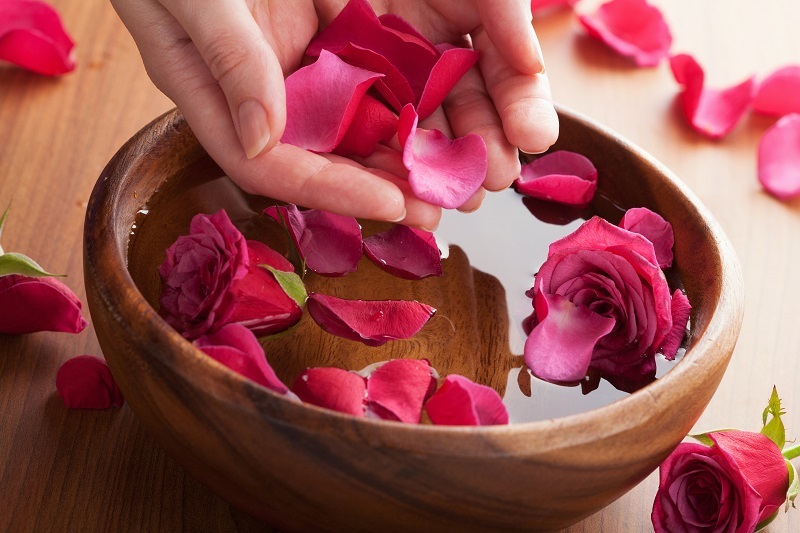
Conclusion: Begin Your Joyful Journey With Flowers
From ancient healing rituals to cutting-edge therapeutic practices, flowers and well-being are inextricably linked. Their beauty, symbolism, and presence offer an endless source of comfort, inspiration, and vitality. By inviting the magic of flowers into our daily routines--through gardens, bouquets, or mindful observation--we open the door to emotional balance, physical health, and deep joy.
Embrace the timeless journey of flowers and well-being today: let a single bloom, a fragrant garden, or a creative arrangement remind you of the wonders that surround you. The pathway to greater harmony, happiness, and wholeness may be closer than you think--sometimes, it's right in your own backyard, or in the flower on your windowsill.
Frequently Asked Questions (FAQs) About Flowers and Well-Being
- How often should I introduce flowers into my home?
As often as you like! Weekly fresh bouquets or rotating houseplants can provide continuous well-being benefits. - Are artificial flowers effective for well-being?
While they can brighten a space visually, real flowers offer greater sensory, mood, and health-boosting effects. - Can gardening with flowers benefit my health?
Yes! Gardening promotes physical activity, reduces stress, and enhances life satisfaction through connection with nature. - Which flowers are best for relaxation and sleep?
Lavender, jasmine, and chamomile are highly recommended for their calming and sleep-promoting properties.
Begin your own joyful journey with flowers and well-being today, and experience the positive changes they bring to your mind, body, and spirit!
Latest Posts
Low-effort elegance: the best plants for workplace bliss
Whimsical Flowers to Celebrate a Joyous Birthday
Learn How to Sustain Poinsettias Through the Holidays